FACEIT’s latest data dump on professional CS2 matches has turned up a clear trend: top-tier players are doing noticeably less damage with grenades. The numbers, pulled from thousands of high-level ranked and tournament games over the past three months, show a steady drop in average HE and molotov damage per round across all major regions—about 12% less explosive damage overall. The shift is most pronounced in FACEIT Premier and FPL matches, where the best players in the world compete daily.
The decline isn’t massive, but it’s consistent, and analysts point to two main drivers: the physics changes in CS2 and how pros have adjusted their movement and positioning to avoid taking chip damage. Gone are the days when a well-placed HE would tag a player for 40 damage through a smoke. Now, the same throw might deal half that, forcing teams to rethink their utility usage entirely.
Why Grenade Damage Is Dropping
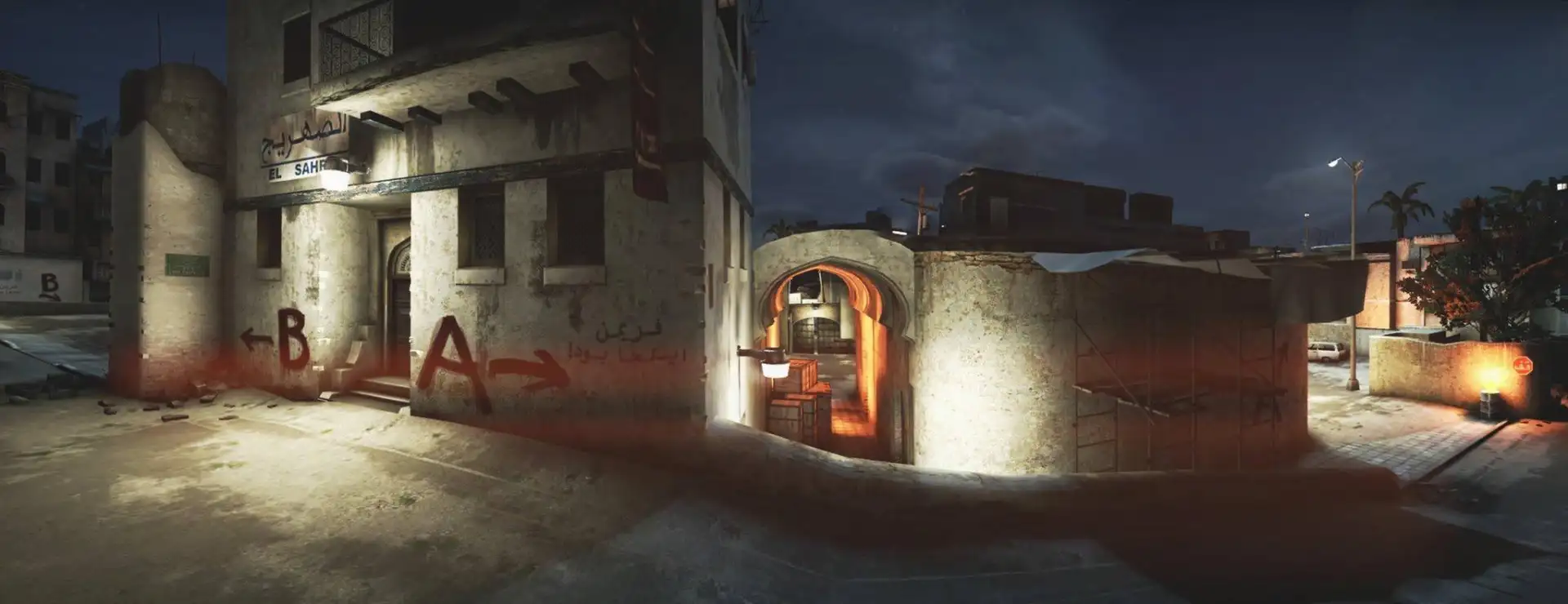
CS2 overhauled grenade behavior in ways that directly reduce damage output. HE grenades now have a more predictable damage falloff curve and a shorter effective radius, making it nearly impossible to land significant damage unless the explosion is almost point-blank. Molotovs also changed: the fire spreads faster but burns out quicker, and the new water puddle mechanic means players can douse flames in seconds by stepping onto wet surfaces—a trick that has become common among pros on maps like Overpass and Ancient. On Dust2, the B site water barrel is now a key escape tool. Players like Twistzz and ropz have noted in interviews that they now prioritize smokes over damage nades because the risk-reward is skewed.
Mechanics and Meta Shifts
The meta has shifted toward utility for map control rather than pure damage. Teams like FaZe and NAVI have been seen using fewer HE grenades, opting for extra smokes to block vision and more flashes to force defenders out of positions. The data shows that the average pro now throws 0.4 fewer HE grenades per match than in late 2023, while flashbang usage has increased by 8%. On maps like Nuke and Mirage, where tight corridors used to invite heavy HE spam, the average damage from explosives has dropped by over 15% in FACEIT Premier matches.
- HE grenade damage per round dropped from 9.2 to 8.1 across all FACEIT Premier matches, with the steepest decline on Nuke (15%) and Ancient (13%) due to easier water access and wider open spaces.
- Molotov damage fell by 14% as players learned to avoid fire pools by using the water mechanic or simply repositioning faster; the average molotov now burns for 3.2 seconds instead of the previous 4.1 before being extinguished.
- Smoke grenade usage increased by 6% in the same period, confirming a shift toward utility for vision control—especially on A sites of Mirage and Inferno where one-ways are now more common.
- Flashbang assists rose by 11%, suggesting teams are relying on debuffs rather than direct damage to win duels; the trend is most visible among top IGLs like karrigan and Snappi, who have adapted their calling accordingly.
What This Means for Competitive CS2
The change has implications for map balance and economy. Grenades were once a reliable way to force early damage and tilt rounds, especially on force-buys where an HE could level the health playing field. Now, with less explosive threat, players can hold tighter angles without fear of being tagged down. This has made certain positions—like A site on Mirage or B on Inferno—slightly more stable for defenders. On the attacking side, teams now rely more on molotovs to clear corners than to burn down health, which has changed how default setups look.
On the economy side, teams are spending less on HE grenades ($300) and more on smokes ($300) and flashes ($200). The net spend per round on utility has remained roughly the same, but the distribution has shifted. Coaches are drilling new lineups that prioritize area denial over damage output. For example, Vitality’s coach zonic has publicly emphasized that his team uses HE only for guaranteed post-plant kills or to force a defuse delay, not for random spam. This new approach is reflected in the FACEIT stats: HE damage now accounts for only 19% of total utility damage, down from 24% six months ago.
| Grenade Type | Damage per Round (Old) | Damage per Round (New) | Change | Trend |
|---|---|---|---|---|
| HE Grenade | 9.2 | 8.1 | -12% | Down |
| Molotov | 6.5 | 5.6 | -14% | Down |
| Flashbang (assists) | 2.3 | 2.6 | +11% | Up |
| Smoke (block time in sec) | 4.1 | 4.4 | +7% | Up |
| Frag Grenade (rare) | 0.8 | 0.7 | -13% | Down |
| Decoy (damage) | 0.1 | 0.1 | 0% | Flat |
| Total Utility Damage | 19.0 | 17.1 | -10% | Down |
FACEIT will continue to track these numbers as upcoming patches and tournaments may shift the meta again. The PGL Major in June will be the first real test of how permanently this trend holds, as teams prepare with the new utility economy in mind. For now, the data confirms that the era of grenade spam is fading, replaced by a more calculated, utility-focused style of play that prioritises vision control over raw damage.

Comments