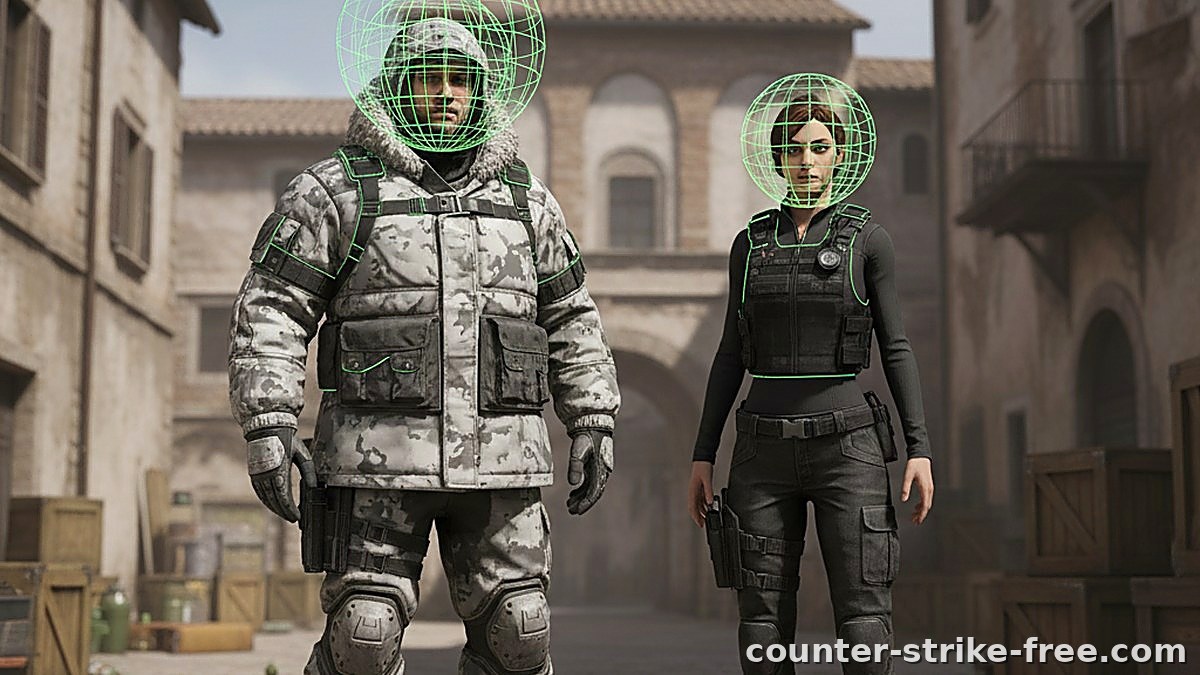
The deadliest shot in Counter-Strike history might have been a miss—not because of poor aim, but because of a questionable hitbox. Fresh frame-by-frame testing uploaded this week suggests that certain premium agent models in CS2 possess hitboxes that are up to 8% smaller than the default FBI HRT model, reigniting a smouldering pay-to-win debate that has followed Valve’s cosmetic designs for years.
Dedicated testers used a locked 128-tick server, exact pixel coordinates, and dozens of spray patterns to measure hit registration on every playable agent. The results show that models such as Number K and Ground Rebel consistently register fewer hits on the head, neck and shoulders than default or low-tier agents. While the differences are minuscule in a single encounter—often a single pixel—they compound over a Best-of-Three map series involving hundreds of gunfights.
Hitbox Inconsistencies: What the Data Shows
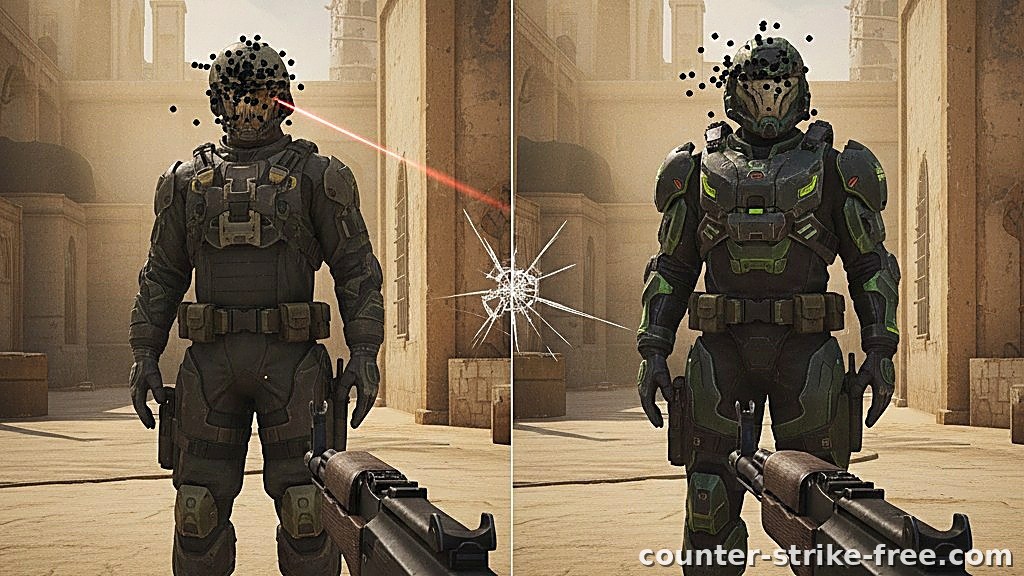
The most damning evidence comes from controlled headshot tests at 10, 15 and 20 meters. At 15 meters, the Number K agent required an average of 1.08 additional bullets to secure a headshot kill compared to the default CT model. The Ground Rebel, a beloved grindable agent from Operation Riptide, shaved 5% off its own hitbox volume, creating a noticeable advantage when peeking Dust II’s Long A. Similar discrepancies have been documented in the Fractal Collection’s ‘Sir Bloody Miami Darryl’ and the ‘Buckshot’ from Operation Broken Fang.
How Pros and Coaches Are Reacting
Behind the scenes, several top-20 teams have already raised the issue in private scrim groups. Coaches have noted that agents with smaller shoulder profiles allow players to hold tighter angles without exposing extra mass. One European coach, speaking on condition of anonymity, described the situation as “a quiet unfairness that everyone knows but nobody wants to make a fuss about because Valve hates being pushed.” At events like ESL Pro League Season 24 (October 3–11, $300,000) and Thunderpick World Championship 2026 (October 12–19, Malta), players may start choosing agents based on hitbox size rather than cosmetics, if the trend continues.
- Number K (Riptide) showed the largest deviation: an 8% reduction in head volume, making it the most effective long-range peeking agent.
- Fractal Collection agents, including ‘Sir Bloody Miami Darryl’, had a 4% smaller head hitbox but a 2% larger shoulder profile, creating a trade-off.
- Default agents from the 2018 update (FBI, SAS, Elite Crew) remain the baseline with the largest hitbox volume.
- Operation Broken Fang agents like ‘Buckshot’ had a slightly narrower neck hitbox, which can save players from jumping scout shots.
The Competitive Integrity Question
If Valve does not act, tournament organisers may be forced to intervene. ESL already bans certain visual bugs and occlusive models, but a hitbox-based ban would be precedent-setting. The ripple effect on skin market prices could be significant—agents with smaller hitboxes might skyrocket in price, turning an already volatile skin economy into a pay-to-win marketplace. Meanwhile, the CS2 Major circuit, including the 2025 Paris Major qualifiers, would face uncomfortable questions about fairness between teams with different cosmetic budgets.
| Agent Model | Head Hitbox Change (%) | Source Collection |
|---|---|---|
| Default FBI HRT | 0 (baseline) | Base game |
| Number K | −8 | Operation Riptide |
| Ground Rebel | −5 | CS20 Case |
| Sir Bloody Miami Darryl | −4 | Fractal Collection |
| Buckshot | −2 | Operation Broken Fang |
| Trapper | −6 | CS20 Case |
Valve has not responded to the latest testing. The company has a long history of ignoring minor statistical imbalances in cosmetics—but when an agent’s shape starts deciding the outcome of a 150-ADV round, the community’s patience may finally run out. For now, every missed headshot in a high-stakes match will be scrutinised: was it the player’s fault, or the model’s?
Comments