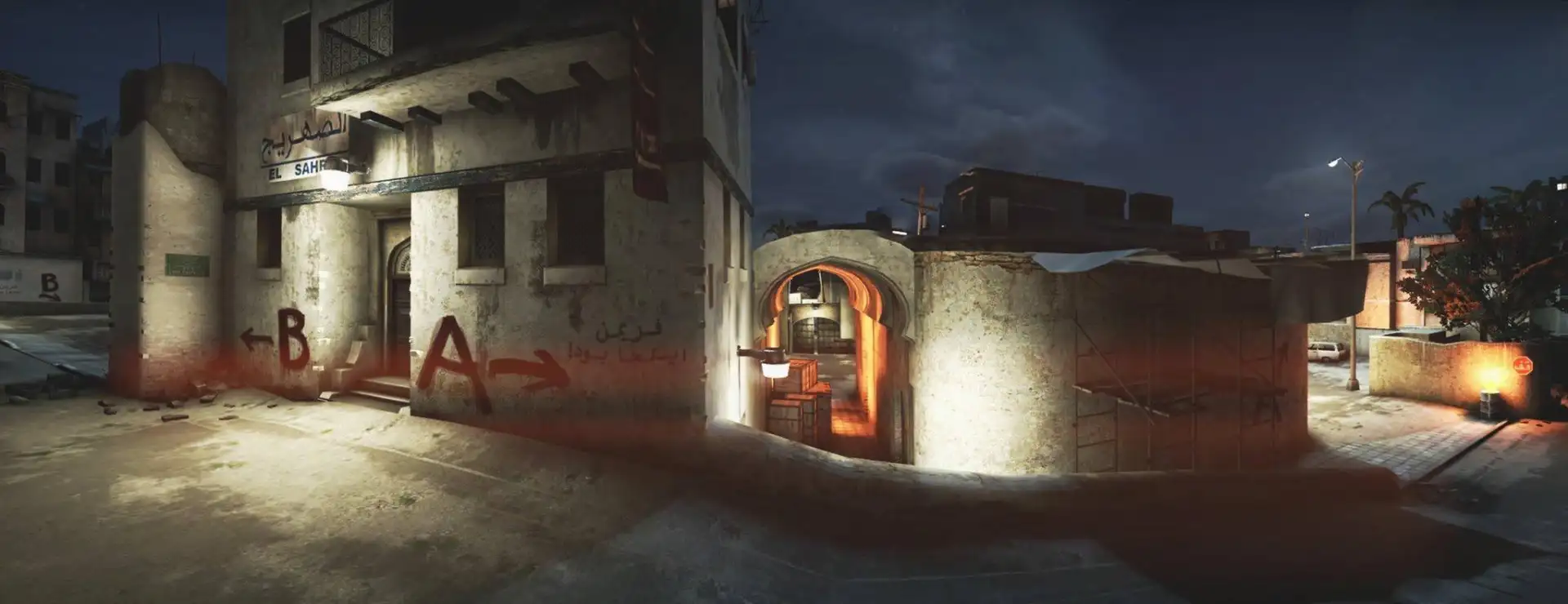

Valve has released a significant update to Counter-Strike 2 that fundamentally changes how the C4 explosive behaves when detonated, introducing a new shockwave system that alters both the visual feedback and the tactical implications of a bomb explosion. The changes, detailed in the latest patch notes, mark one of the most substantial mechanical overhauls to the bomb since the game’s launch. Players and analysts are now reassessing how post-plant scenarios and retake situations will play out, as the blast now carries a physical presence that extends beyond the kill radius.
The core of the update revolves around the introduction of a “shockwave” effect that accompanies the C4’s detonation. Previously, the explosion was largely a binary event: players within the damage radius were killed or injured, while those outside were unaffected. Now, the blast generates a visible and audible shockwave that propagates outward from the bomb site, even after the initial explosion has ended. This shockwave is not merely cosmetic; it has been designed to interact with the game world and players in ways that could shift competitive dynamics, particularly around sound cues and visual obstruction during critical moments.

How the New Shockwave Works in Practice
The new shockwave is described in the patch notes as a “sending shockwaves through CS2” feature, indicating that Valve intends for it to be a central element of the bomb’s identity. When the C4 detonates, the shockwave travels outward from the explosion point, creating a ripple effect that distorts the player’s view and audio. This distortion is not a simple screen shake; it is a directional effect that pushes particles and alters the player’s perspective based on their proximity and angle to the blast. For players close to the bomb, the shockwave will temporarily impair their vision and hearing, mimicking the disorientation one would expect from a massive explosion. This creates a new layer of risk for players attempting to defuse or hold positions near the bomb site after the detonation, as they will be at a disadvantage in the immediate aftermath.
From a strategic standpoint, the shockwave introduces new considerations for both the attacking and defending teams. For the Terrorist side, the bomb explosion now serves as a more potent tool for area denial even after the round is technically lost. If a player is caught near the explosion, the shockwave’s effect could delay their ability to rotate or engage in a subsequent fight. For the Counter-Terrorist side, the change adds a new variable to retake scenarios. A player defusing the bomb must now account for the possibility that a nearby explosion—even from a teammate’s kill—could disorient them at a critical moment. The shockwave’s effect is not limited to the bomb itself; it appears to be triggered by any C4 detonation, meaning that the sound and visual cues from a bomb explosion on one site could affect players on the other side of the map, albeit with reduced intensity.
- The shockwave creates a directional visual distortion that pushes particles and alters the player’s perspective based on proximity to the blast.
- Audio distortion from the shockwave temporarily impairs hearing, making it harder to detect enemy footsteps or other sound cues.
- The effect is not limited to the bomb’s kill radius; it propagates outward, affecting players beyond the immediate danger zone.
- Valve has not specified whether the shockwave’s intensity scales with distance or if it applies uniformly to all players within a certain range.
Competitive Implications and Community Reaction
The competitive community has already begun debating the potential impact of this change on high-level play. One of the primary concerns is how the shockwave might affect the timing of defuses. In professional matches, milliseconds matter, and any visual or audio impairment during the defuse animation could lead to missed opportunities or misjudged timings. For example, a player who is disoriented by a shockwave from a nearby explosion might struggle to hear the defuse sound cue or see the bomb’s status indicator clearly. This could be particularly problematic in situations where multiple explosions occur in quick succession, such as during a coordinated team retake.
Another area of discussion is the shockwave’s potential to create unfair advantages or disadvantages based on player positioning. If the shockwave affects players differently depending on their angle to the blast, then players who are positioned behind cover or at a distance may have a clearer view and better hearing than those in the open. This could incentivize players to adopt specific positions during bomb defense or retake operations, potentially shifting the meta for map strategies. Valve has not provided detailed technical specifications about the shockwave’s mechanics, such as its range, duration, or whether it penetrates walls, leaving the community to experiment and discover the nuances through gameplay.
| Element | Impact on Gameplay |
|---|---|
| Visual distortion | Temporarily impairs aim and situational awareness for players near the blast. |
| Audio impairment | Reduces ability to hear enemy movements or other critical sounds. |
| Area denial | Makes bomb sites more dangerous for defenders after detonation. |
| Defuse timing | Could cause delays or errors in defuse attempts due to disorientation. |
| Map-based effects | Potential for different impacts on open vs. enclosed bomb sites. |
| Competitive fairness | Questions about consistency and whether the effect is balanced across all skill levels. |
| Team coordination | May require new communication protocols regarding bomb explosion timing. |
While the update is still fresh, early feedback from the community has been mixed. Some players appreciate the added realism and tactical depth, noting that the shockwave makes the bomb feel more impactful and dynamic. Others are concerned that the change could introduce unnecessary randomness into competitive matches, particularly in situations where the shockwave’s effect is difficult to predict or counteract. Valve has a history of iterating on such features based on player feedback, so it is likely that adjustments will be made in future patches if the shockwave proves to be unbalanced or problematic. The update also includes other minor adjustments to the C4’s behavior, but the shockwave remains the headline feature. As players continue to test the changes in both casual and competitive environments, the full implications of this overhaul will become clearer, potentially reshaping how the bomb is perceived as a tactical element in Counter-Strike 2. The patch notes explicitly describe this as “sending shockwaves through CS2,” a phrase that underscores Valve’s ambition to make the bomb explosion a more memorable and strategically relevant event in every match.


Comments