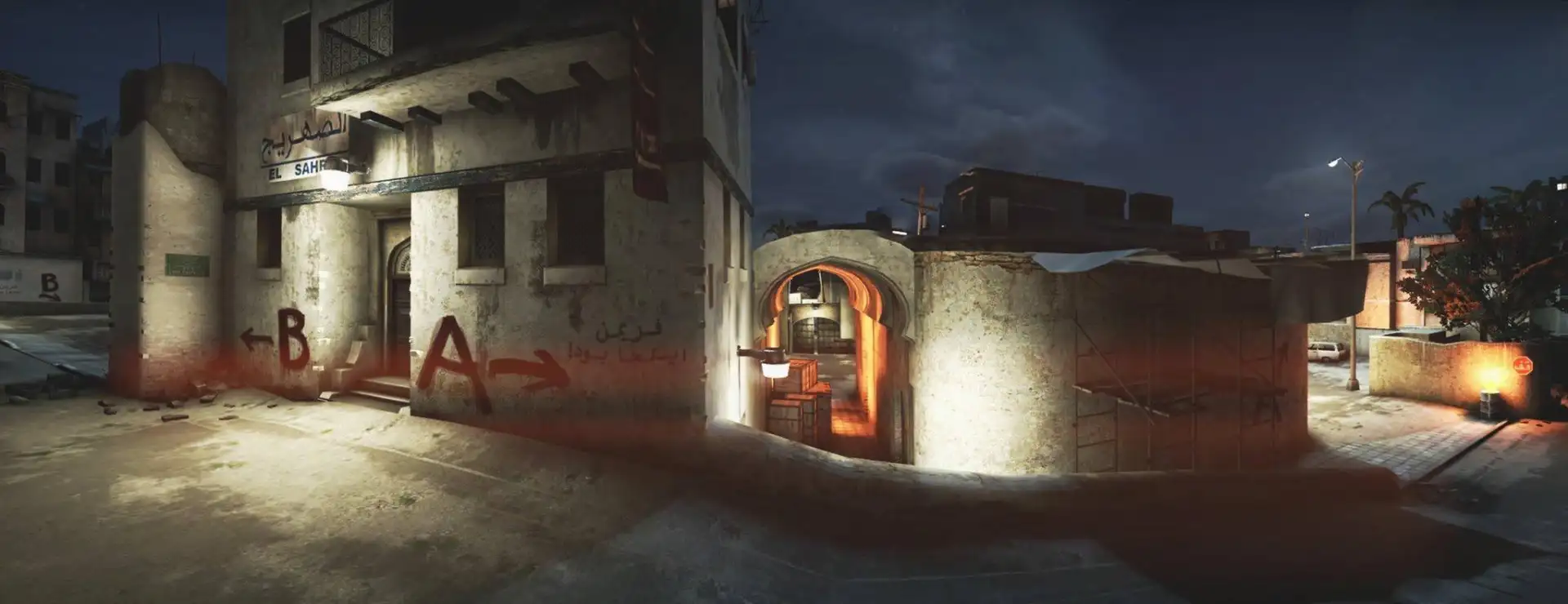
Valve has built one of gaming’s strongest revenue loops around CS2 cases.
Nothing about it looks complicated from the player side. A case lands in the inventory, a $2.50 Valve key unlocks it, and the result can be a low-value skin or a rare knife, glove pair or premium finish that instantly has a visible market price.
That small paid action is now estimated to bring Valve over $1 billion annually. It also puts Counter-Strike’s skin system under fresh legal heat, because the item is random, the access cost is fixed, and the prize can be sold after it drops.
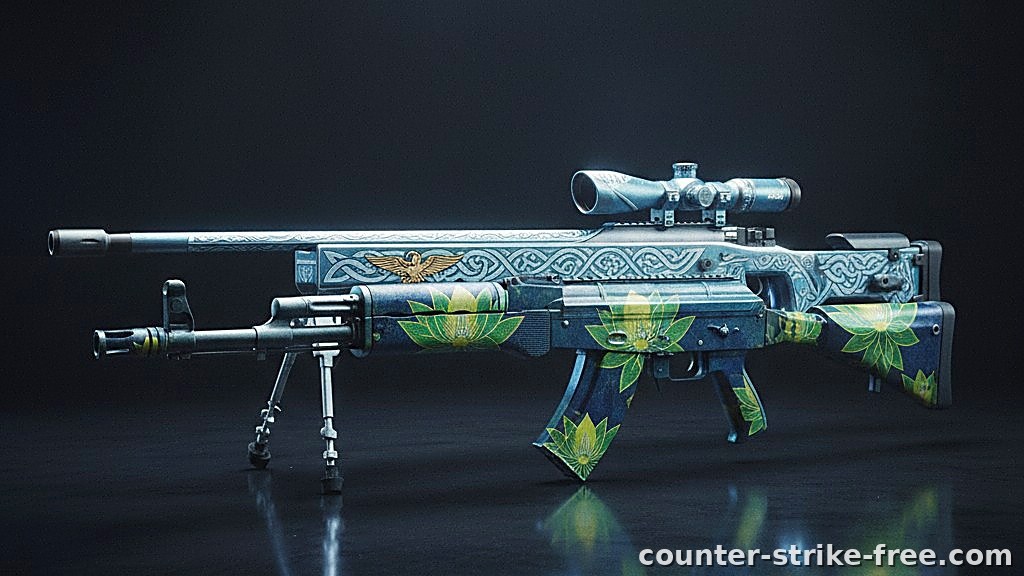
CS2 cases fuel Valve income
Counter-Strike cases began as a cosmetic feature, but in CS2 they operate like a full economy attached to the game. Estimates using Steam Community Market activity suggest Valve crossed the billion-dollar mark from case activity in 2025, with total openings sitting above 400m for the year. The case may arrive through a weekly care package, so the first step can feel free, but the opening itself still depends on a key purchased from Valve.The monthly numbers show how quickly that adds up. March 2025 was estimated at roughly 32m openings, with player spend placed near $100m. More than $82m of that was tied to keys alone. After the drop, skins can enter the Steam Community Market, where CS2 item trades carry a 15% total fee, giving Valve another revenue layer beyond the original unlock.
The skin market makes cases different
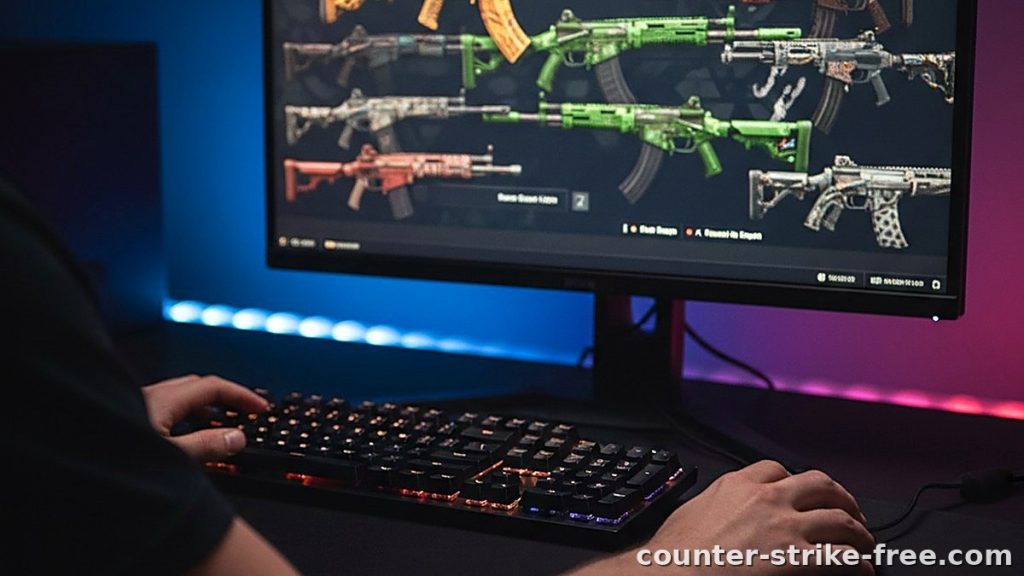
A normal loot box ends when the player receives the cosmetic. CS2 does not stop there. Float, rarity, StatTrak status and buyer demand all shape the final value, and the same named skin can sit in very different price brackets depending on condition and details. Valve’s published odds from 2018 remain central to how the system is understood, while case return estimates around official openings place long-run value back to players at about 62 cents per dollar spent when measured through skin pricing.
- Valve’s CS2 case income for 2025 was estimated above $1 billion.
- Players opened an estimated 400m-plus cases across that year.
- A Valve key priced at $2.50 is required for every official opening.
- The CS2 skin market was estimated around $5.8 billion in value.
CS2 loot boxes face legal pressure
The commercial strength of cases comes from the same feature that makes them legally sensitive: the reward has liquid value. A player is not only paying for a random cosmetic animation. The result can be checked against market listings, sold through Steam, shown on stream, moved into a trade-up contract or used as proof of a huge pull in front of other players. Rare outcomes advertise the system without Valve needing a campaign. Bad runs do the same thing in a different way, because loss, luck and repeat attempts are part of the culture around openings.Third-party sites have stretched the idea even further by adding formats outside the official CS2 client, including battles and upgrade-style mechanics. Some of those platforms show return percentages before a player opens a case, which gives clearer numbers than the standard in-game screen. At the same time, those outside formats underline why regulators keep circling Counter-Strike skins: money goes in, chance decides the result, and the item may carry a real price immediately after the reveal.
| Topic | Reported detail |
|---|---|
| Key cost | $2.50 for one official CS2 case unlock |
| 2025 activity | Estimated above 400m total case openings |
| March 2025 | About 32m openings and close to $100m in player spend |
| Market cut | Steam takes a 15% total fee on CS2 item sales |
| European restrictions | Belgium and the Netherlands have acted against loot-box models |
| Valve adjustments | Genesis Uplink Terminal and the 2026 Cologne Major shop moved toward revealed or token-based purchases |
That scrutiny is no longer limited to one country. Germany introduced the X-Ray scanner for local CS2 players on March 16, 2026. In February 2026, the New York AG brought a case against Valve over alleged illegal gambling links in CS2 and other Valve titles. Valve responded publicly in March, saying it had discussed its systems with the office since early 2023, then filed for dismissal in May. Austria has already seen a Counter-Strike refund dispute go the player’s way, and loot boxes remain part of EU-level Digital Fairness Act discussions.
Comments