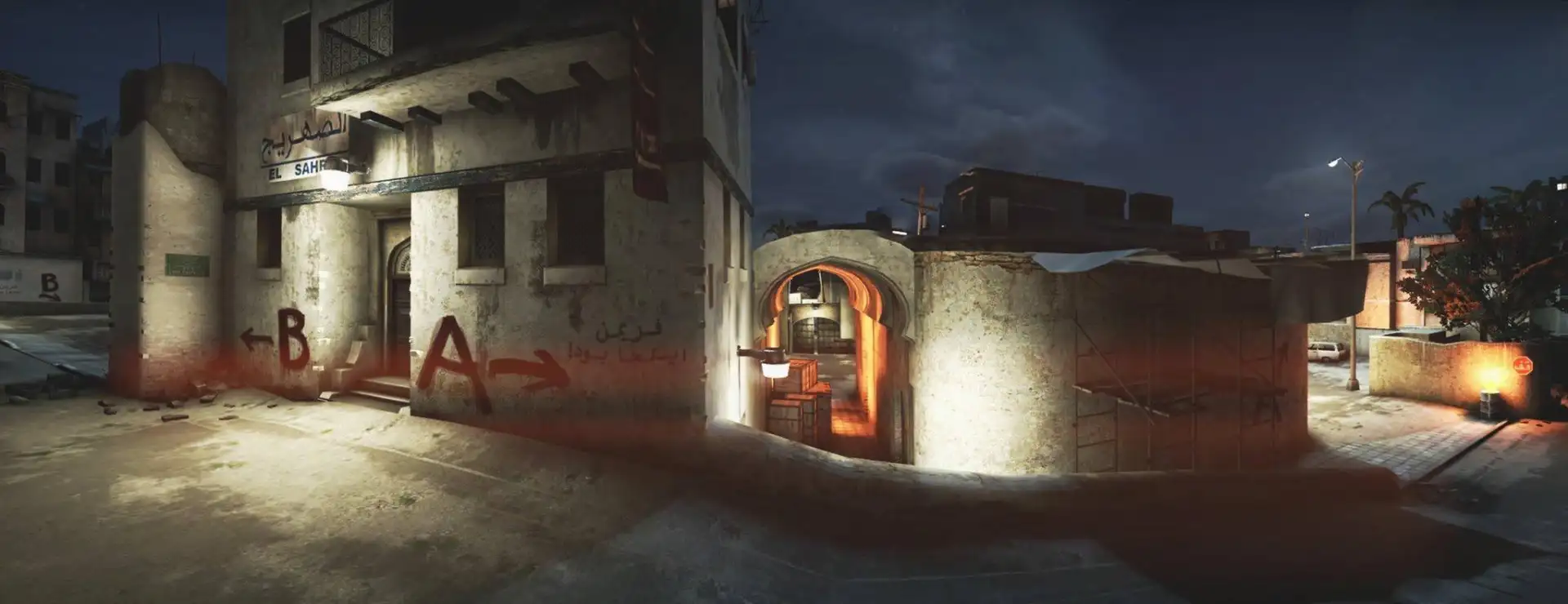
Valve’s Armory update for Counter-Strike 2 has reportedly pulled in an eye-watering $878 million. The figure, based on market analysis and third-party tracking, suggests the in-game content drop became one of the highest-grossing single updates in the franchise’s history, surpassing even the most lucrative operations from the CS:GO era.
Since the Armory launched in late 2024, it introduced a new weapon collection, sticker capsules, and a refreshed progression system tied to Armory Credits. Players could earn credits through gameplay or buy them directly, fueling a spending cycle that analysts now estimate at nearly a billion dollars over roughly 18 months. The update also brought back the popular M4A1-S Fade and added a new Deagle finish, both of which became instant trade-market staples.
The report highlights how Valve continues to monetize its player base without charging for the game itself. CS2 remains free-to-play, with its economy built entirely around cosmetic items, cases, and passes. This model, refined over a decade of CS:GO, now generates revenue that rivals many subscription-based titles.
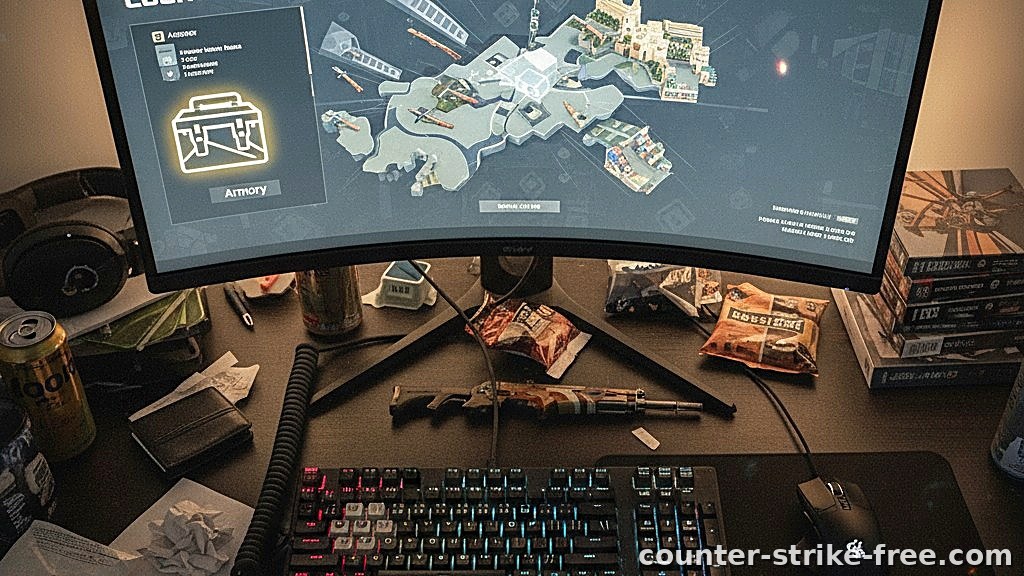
The Armory Economy: Why the Numbers Add Up
Third-party marketplaces and Steam Community Market data form the backbone of the $878 million estimate. The Armory’s design encouraged repeat purchases through limited-time collections and exclusive finishes, driving demand among collectors and traders alike. Valve’s cut from each transaction—combined with direct pass sales—created a steady revenue stream that shows no signs of slowing. For context, the previous record-holder, Operation Riptide, generated roughly $200 million over its lifespan, making the Armory more than four times as profitable.
How the Armory Changed Player Spending Habits
Unlike previous operations or major cases, the Armory tied new weapon finishes to a unified progress bar. That shift pushed players to buy credits or grind matches for specific rewards, effectively gamifying the purchase loop. The result: higher average spend per user compared to older case-based models. The update also introduced a new rarity tier, further incentivizing collectors to chase limited-edition finishes. Market data shows that certain Armory-exclusive skins, like the AK-47 Inheritance, maintained prices above $200 for months after release.
- Revenue estimate covers sales from November 2024 to mid-2026.
- Armory Credits accounted for roughly 60% of total reported earnings.
- Sticker capsules and new finish collections made up the remainder.
- Valve has not officially confirmed or denied the reported figure.
What This Means for CS2’s Future
A near-billion-dollar revenue stream from a single content update reinforces Valve’s incentive to keep investing in CS2. The Armory model could become the template for future drops, with Valve likely repeating the credit-based progression system in upcoming seasons. For the esports scene, the financial health of the game means sustained support for Majors, tournaments, and the competitive ecosystem—at least as long as the skin economy holds. The 2025 Major in Austin already saw record viewership, and Valve’s continued revenue from the Armory suggests prize pools and event funding will remain robust.
| Metric | Value |
|---|---|
| Reported Revenue | $878 million |
| Time Period | 18 months (Nov 2024 – mid-2026) |
| Primary Driver | Armory Credit purchases |
| Previous Record Update | Operation Riptide (est. $200M) |
| Game Version | Counter-Strike 2 |
| Valve Confirmation | Not provided |
The $878 million figure places the Armory update above every previous CS:GO operation in lifetime revenue. Until Valve releases its own data, the estimate remains the best available gauge of how much players are willing to spend on digital weapon finishes in CS2. The next major content drop will likely follow the same blueprint, given the financial success of this model.



Comments